Concrete steps construction in Pico Rivera CA - an entry that sits level and solid
Steps cracked, sinking or pulling away from the door? We rebuild them on a packed base so they feel solid underfoot again.
Talk to us about your concrete steps
Call (562) 271-1038 any day of the week, because we pick up into the evening and on weekends too.
What goes into building new concrete steps in Pico Rivera?
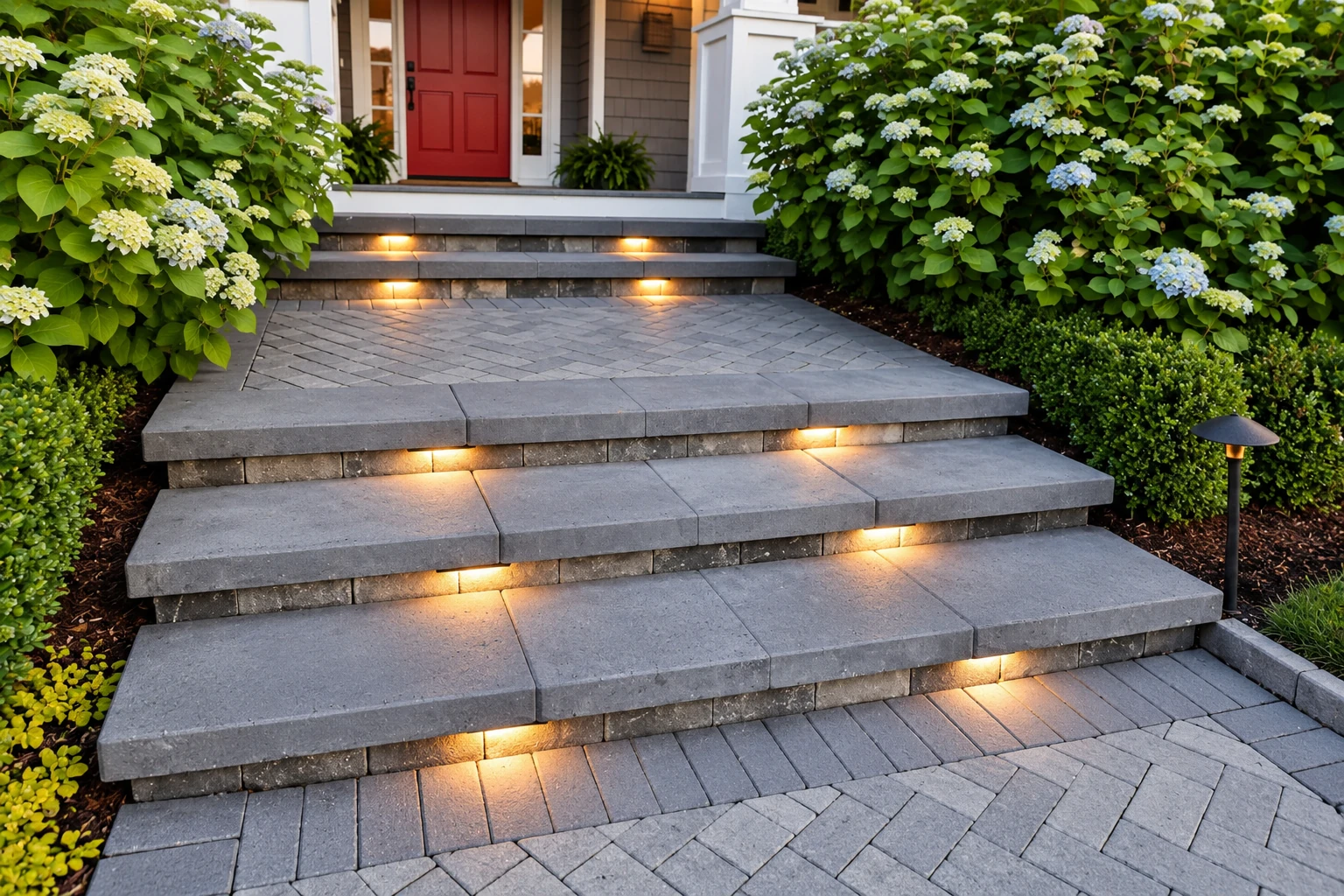
Concrete steps construction in Pico Rivera means building new poured or precast steps at your door, or tearing out steps that have shifted or broken through and rebuilding them on a proper base so they sit level and solid.
Most people call us when a step has started to rock, crack or pull away from the house, and they want to know if it's a fix or a full rebuild. The price mostly comes down to how many steps you need, since precast and poured steps are both priced per step, plus whether old concrete has to come out first and how odd your entry is. The schedule turns on the weather and on any permit the job needs. Once I've measured, the written estimate lays out each part of the job so you can see where the money goes. We're based in Pico Rivera and do this work in the cities around it too, including Downey, Whittier, Norwalk and Montebello.
Why Pico Rivera homeowners call Standard Pico Rivera Concrete for steps
The owner prices and runs it
I come out myself to look at your entry, measure and write the estimate, and then I run our own small crew on site. The person who priced your steps is there when they're poured.
Started out fixing local steps
I learned this trade fixing cracked steps for neighbors in Pico Rivera and went full time in 2017. Nine years on, I still know where a set of steps usually gives out first.
Licensed and fully insured
We're licensed and fully insured, and you're welcome to ask for proof before you sign. That way, if something gets damaged or someone gets hurt on your property, you aren't left covering it.
On steps, the part that counts most is the base nobody sees once they're poured. Tell us about your entry and I'll come out and take a look.
How we handle concrete steps construction
I start by going over precast against poured with you, since precast costs less and poured fits an odd entry better. For a rebuild, our crew breaks out the old steps and hauls them away, then digs down and packs the subgrade, the soil and gravel the steps sit on, so it won't settle under the new concrete. We build the forms, set rebar, steel bars that tie the concrete together and keep cracks from spreading, and pitch each tread a little so rain runs off instead of back toward your door. After the pour we give the treads a broom finish, a light ridged texture that grips wet shoes, and then the steps cure, which is the wait while the concrete gains strength before it takes foot traffic. When a budget gets tight, people want to cut the base because nobody sees it, and I'll push back on that, since a nice finish on a soft base cracks and sinks just the same.
Steps often tie into bigger work. If yours are attached to the house wall or hold up a porch, builders' guides say to bring in a designer, and we'll plan the job around that. When the steps lead up to a new addition or porch floor, we can pour that too through our slab foundation building work, and if the wall or porch the steps meet needs new support underneath, that's foundation installation.
Precast steps
These arrive hollow and ready to set, so they cost less and go in with less work. They suit a standard entry where a stock size fits the door and landing.
Poured steps
We form and pour these in place, so they cost more but come in a much wider range of sizes. They suit an odd entry, a wide landing or a run that doesn't match anything off the shelf.
Tear-out and rebuild
We break out the old set, fix what's underneath and build new steps on solid ground. It's the right call when the old steps have moved, because new concrete on loose fill tends to move too.
How can you tell your steps need rebuilding?
A gap at the door
The top step has pulled away from the house, leaving a gap or a lip at the threshold. That usually means the base has settled, and the gap tends to widen and catch toes.
A step that rocks
A tread tips or shifts when you put weight on it, or one corner sits lower than the rest. Something below has moved, and every week of use works it looser.
Cracks running clean through
A crack splits a step from front to back or opens wider each season. That's usually more than surface wear, and water getting into it makes the break worse over time.
Chipped, crumbly edges
The front edge of each tread is flaking or breaking off in pieces. Caught early, that's often surface damage, but left alone it turns into an uneven edge people trip on.
What happens after you call about new steps?
Call and set up a visit
Call (562) 271-1038 or send the form, and we'll set a time. I come out, measure your entry, answer your questions and send a written estimate listing each part of the job.
We prep, form and pour
Once you say yes, we take care of any permit the job needs. Then we tear out the old steps, pack the base, set the forms and pour on a day the weather allows.
Walk the finished steps together
We finish the treads, strip the forms and clean up, then walk the steps with you before we pack up. I'll tell you when they've cured enough to use.
Questions about concrete steps
These are the questions I hear most about steps in Pico Rivera. If yours isn't here, call and ask. I'd rather answer it now than have you guess.
How much do concrete steps cost in the Los Angeles area?
Concrete step installation in the Los Angeles area usually costs about $700 to $5,500 per job. That's the going range for the area, not our price, and where you land depends mostly on how many steps you need and whether they're precast or poured. Your own figure comes in the written estimate after I measure.
Can cracked or sinking concrete steps be patched, or do they need to be replaced?
Surface chips and wear can usually be patched, but steps that have shifted or broken through usually need to come out and be rebuilt on a proper base. If yours have moved, I'll tell you straight that a patch usually won't last, so you don't pay for one and then pay again.
Do I need a permit to build concrete steps in Pico Rivera?
Pico Rivera decides by the scope and type of work, and any construction in the public right of way, such as work out at the sidewalk, needs a city Construction Permit. A dumpster parked on the street also needs an Encroachment Permit before the job starts. We pull any permit your job needs and deal with the city's Building Division for you, and if we're not sure what your address needs, here or in Downey, Whittier or another nearby city, we check with that office before we start.
How long do concrete steps last?
Concrete steps usually last 30 to 40 years with proper care and upkeep. Keeping water running off them, sweeping off grit and fixing small chips before they spread go a long way toward getting those years.
What is the best way to pour concrete steps in summer heat?
Plan around hot, dry, windy days, because high heat and low humidity hurt fresh concrete more as the wind picks up, and that mostly happens in summer. A pour that dries too fast can leave a weak, dusty top, so we'd rather start early in the day or move the pour than fight the weather. Whoever you hire, ask how they handle a hot, windy day.
Do I need a licensed contractor to build concrete steps in California?
You do if the job runs over $1,000 or needs a permit, because California's small-job exemption only covers work up to $1,000 that needs no permit and is done without hired help. The state's concrete license covers forming, pouring, placing and finishing concrete, so ask whoever bids your steps which license they hold.
Get a written estimate for your steps
Tell us how many steps you have and add a photo of the old ones if you can. We reply within one business day to set up a visit, and the on-site estimate is free with no obligation.
Concrete steps and entries
Other work around your entry
Slab foundation building
Adding a room or a new porch at the top of your steps? A slab foundation gives it a flat, solid floor for the steps to meet.
Learn moreFoundation installation
When the wall or porch your steps lean on needs better support, new foundation work underneath keeps the steps from being pulled out of line.
Learn more